If you’re focusing on a whole-food, plant-based diet, it’s possible to get most of your nutrients directly from foods rather than relying on supplements—but it does require some planning. Here’s a breakdown:
Key Points:
- Protein – Contrary to myths, you can get enough protein from beans, lentils, tofu, tempeh, nuts, seeds, and whole grains. Combining different plant sources ensures all essential amino acids.
- Vitamin B12 – This is the one nutrient almost impossible to get reliably from plants. Most plant-based eaters either use fortified foods (like nutritional yeast, plant milks, or cereals) or take a supplement. Skipping B12 can lead to deficiency over time.
- Iron – Lentils, beans, tofu, quinoa, pumpkin seeds, and dark leafy greens are excellent sources. Pairing them with vitamin C-rich foods (like bell peppers or citrus) improves absorption.
- Calcium – Dark greens (kale, bok choy, broccoli), fortified plant milks, tahini, almonds, and figs provide calcium.
- Omega-3s – Flaxseeds, chia seeds, hemp seeds, and walnuts supply ALA, which your body can convert to EPA/DHA, though conversion can be limited. Some choose algae-based supplements if they want direct DHA/EPA.
- Vitamin D – Sunlight exposure helps, but in areas with limited sun, fortified foods or a supplement may be needed.
- Iodine – Seaweed (like nori or kelp) or iodized salt can cover this.
Takeaway:
You can mostly meet your nutritional needs from whole plant foods, but B12 is a major exception. Other nutrients like vitamin D or DHA/EPA might need attention depending on lifestyle and location.
Breakfast
- Oatmeal made with fortified plant milk
- Topped with flaxseeds, chia seeds, walnuts, and berries
- Spinach stirred in for extra iron and calcium
- Orange slices for vitamin C (helps iron absorption)
Why it works: Protein from oats and seeds; omega-3 from flax/walnuts; calcium from fortified milk and greens; iron absorption boosted by vitamin C.
Lunch
- Quinoa & lentil salad
- Mixed with kale, bell peppers, cherry tomatoes, pumpkin seeds, avocado, lemon juice
- Tahini dressing (sesame seeds = calcium)
Why it works: Protein and iron from lentils and quinoa; vitamin C from bell peppers; healthy fats from avocado and seeds; calcium from tahini and greens.
Snack
- Apple or pear with almond or peanut butter
- Seaweed snack occasionally for iodine
Dinner
- Stir-fried tofu or tempeh with broccoli, bok choy, carrots, mushrooms
- Brown rice or buckwheat
- Miso soup (fermented soy = probiotics; miso can also add iodine)
Why it works: Protein from tofu/tempeh; calcium from bok choy; iron from broccoli and mushrooms; antioxidants from colorful veggies.
Optional Dessert / Snack
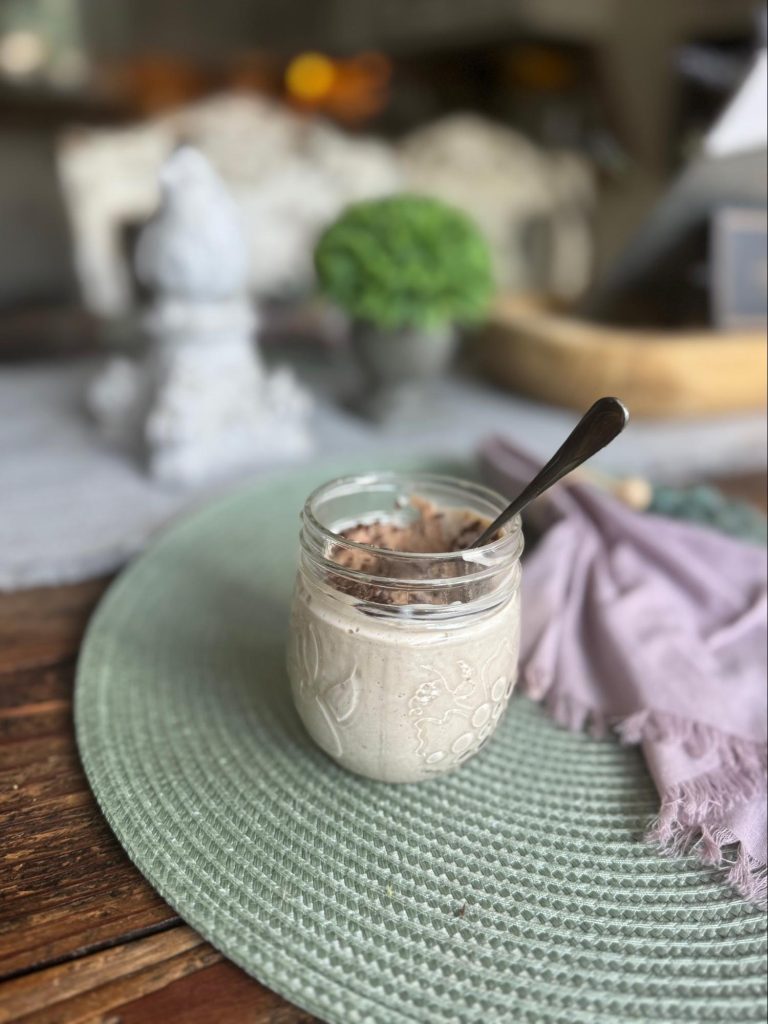
- Chia pudding with plant milk, berries, and a sprinkle of hemp seeds
- Tofu Pudding Vegan Tiramisu Recipe :
- 1 block of silken tofu
- 1/8 c coffee
- 1/2 t vanilla
- 4-5 large dates (it may need a little plant milk if you use firm tofu. Blend and refrigerate dust with carob, protein powder or unsweetened cacao
✅ Key notes:
- B12: Still essential—get from fortified plant milk, nutritional yeast, or a small supplement.
- Vitamin D: Sun exposure or fortified foods.
- Omega-3 DHA/EPA: Mostly ALA from seeds, or algae-based supplement if desired.
With love,
Sheri ❤️