
What is a Complete Protein?
Proteins are made up of amino acids, the building blocks of our body. Out of the 20 amino acids, 9 are “essential”—meaning our bodies can’t make them, so we must get them from food.
A complete protein contains all 9 essential amino acids in sufficient amounts.
Why This Matters
Traditionally, complete proteins were thought to come only from animal products (meat, dairy, eggs, fish). But many plant foods can also provide all essential amino acids—either alone or when combined.
Plant-Based Complete Proteins
Here are the main plant foods that are naturally complete proteins:
- Quinoa – A pseudo-grain that’s gluten-free and versatile.
- Soybeans & Soy Products (tofu, tempeh, edamame, soy milk)
- Amaranth – Another ancient grain high in protein and minerals.
- Buckwheat – A hearty gluten-free grain alternative.
- Chia Seeds – Great in puddings, smoothies, and oatmeal.
- Hemp Seeds – High in protein and omega-3 fats.
- Spirulina – A blue-green algae often sold in powder form.
- Nutritional Yeast – Cheesy-tasting flakes packed with protein and B vitamins.
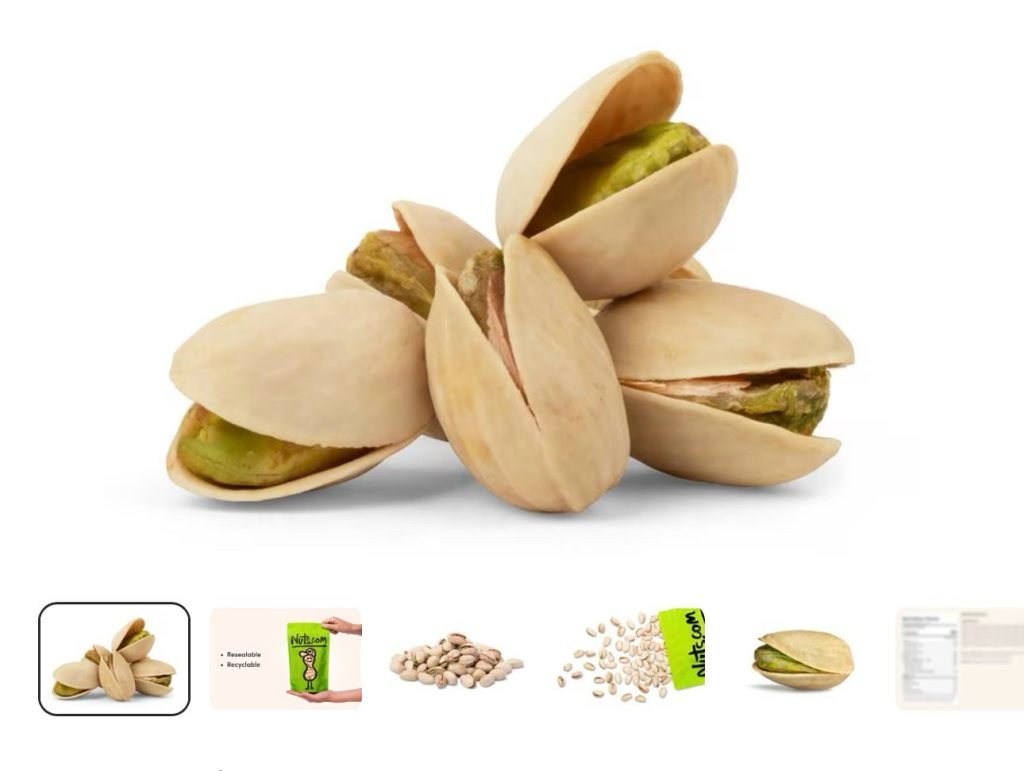
- Pistachios – Only nut that is complete protein
Incomplete but Powerful: Protein Combinations
Not all plant foods are complete on their own, but you can easily combine them throughout the day to get all essential amino acids:
- Rice + Beans
- Peanut Butter + Whole Wheat Bread
- Lentils + Nuts/Seeds
- Hummus + Pita
The idea is called “protein complementing”, but you don’t have to eat them in the same meal—just in the same day.
Key Takeaways
- A variety of whole plant foods can provide all the protein you need.
- Some plants are complete proteins by themselves (soy, quinoa, hemp, etc.).
- For others, simple combinations ensure you’re covered.
- Focus on variety and balance—not obsessing over every meal.
With love,
Sheri ❤️