Sugar—especially in the context of the modern industrialized diet—is a far greater danger to your heart than fat ever was.
This fact has been conveniently ignored by many mainstream dietitians and doctors.
The standard message to overweight people at increased risk for heart disease is to simply reduce calories and saturated fat.
But in the real world, it’s not so simple. Some foods influence our body’s metabolic systems in ways that override our hunger signals and boost levels of hormones that store fat.
Not coincidentally, our main fat-storing hormone also has some serious consequences for the heart.
The name of that fat-storing hormone? Insulin.
The bottom line here is that changing your diet can really change your life.
No kidding. This is not just theoretical or pie-in-the-sky.
A change in diet and a few important lifestyle changes—can make the difference between a life of energy, vigor, and health, and a life of constant doctor appointments, weight problems, and diabetes medications.
But sugar’s effects don’t end with its effect on hormones.
The flip side of sugar’s impact on our hormones is its impact on our brain.
The problem is that our modern environment—especially our modern food environment—exposes us to all sorts of stuff our delicate reward centers aren’t equipped to handle.
This includes many substances unanimously deemed addictive—tobacco and opiates, for example—but research is increasingly showing that it also includes certain foods.
And guess what? Of all the “foods” with addictive potential, sugar is number one with a bullet.
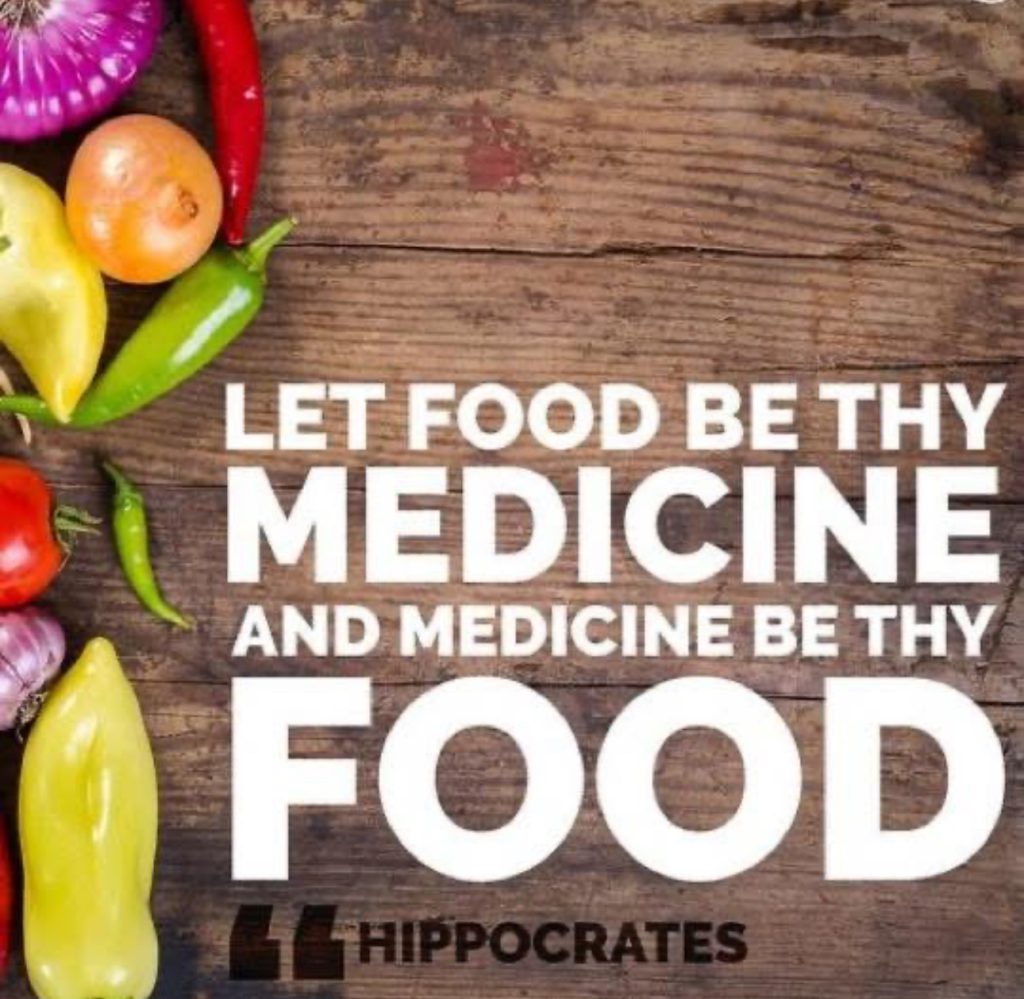
You’ve probably heard the phrase “let food be thy medicine,” credited to our ancient Greek friend Hippocrates—but what about “let food be thy hopelessly addictive drug”?
It turns out, that second phrase isn’t far from the truth.
At least when it comes to stuff chemically designed to get us hooked.
For decades, food industry scientists have been engineering foods to be “hyperpalatable”—that is, they’ve been purposefully designed to trigger your brain’s reward centers in ways that surpass anything a peach, legumes, or sweet potato could ever accomplish.
(For a superb and detailed explanation of how the food industry accomplishes this, read Pulitzer Prize-winning journalist Michael Moss’s excellent book, Salt Sugar Fat: How the Food Giants Hooked Us.) By mixing together more salt, more fat, more flavorings, and—importantly—more sugar than any food in nature could possibly produce, they’ve created products that virtually light up the dopamine and opioid pathways in our brain.
Those are the very same pathways activated by recreational drugs.
Indeed, some research has shown that sugary foods have an even more intense effect on the brain’s reward pathways than cocaine.
Certain combinations of ingredients signal our brains to eat, and eat, and eat some more.
This isn’t the same as a food being delicious and flavorful, by the way: you can feel compelled to overeat on foods you don’t even like all that much, but be perfectly content in moderating foods you love.
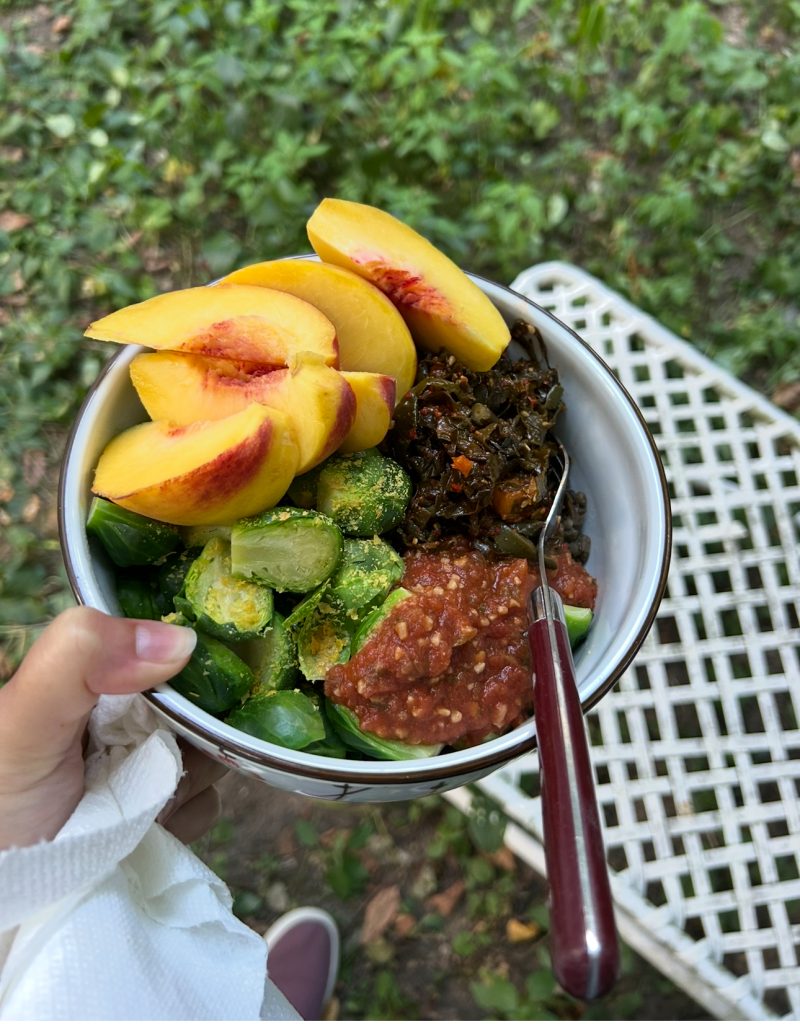
That’s why you can relish a perfectly balanced plant based meal and stop when you’re full, but might find yourself unwrapping bar after bar of cheap Halloween candy until you have a stomachache.
Recently, scientists have discovered that our reward systems contain glucose-sensing neurons that respond to sugar intake.
While a naturally sweet food, like an apple or melon, creates a healthy level of “reward” stimulation, foods with hyper-condensed sweetness—say, a piece of candy—send our
pathways into a tizzy, triggering biological compensations that, over time, result in tolerance.
Eventually, we need to eat more just to feel the same level of pleasure.
Here’s where it gets even more fascinating. On its own, sugar isn’t a particularly “rewarding” food.
Think about it: When was the last time you ripped open a bag of pure sugar and went to town with nothing other than a spoon and your appetite?
Unless you lost a bet, you’ve probably never even been tempted.
Part of the confusion surrounding sugar’s addictive properties is the fact that it’s a much different animal when it’s flying solo than it is when it’s hanging out with the wrong crowd.
Sugar doesn’t trip our reward pathways as intensely as when we add it to something else.
But once we mix it with other tasty items—fat and salt, for example—all bets are off.
As a result, sugar has long been the food industry’s secret weapon for getting us hooked.
Bottom line? Don’t let anyone trick you into thinking sugar is fine as long as you don’t eat too much.
“Just a little sugar” might not do as much damage as eating a ton of it—but the caveat is, most of us can’t ever stop at “just a little.”
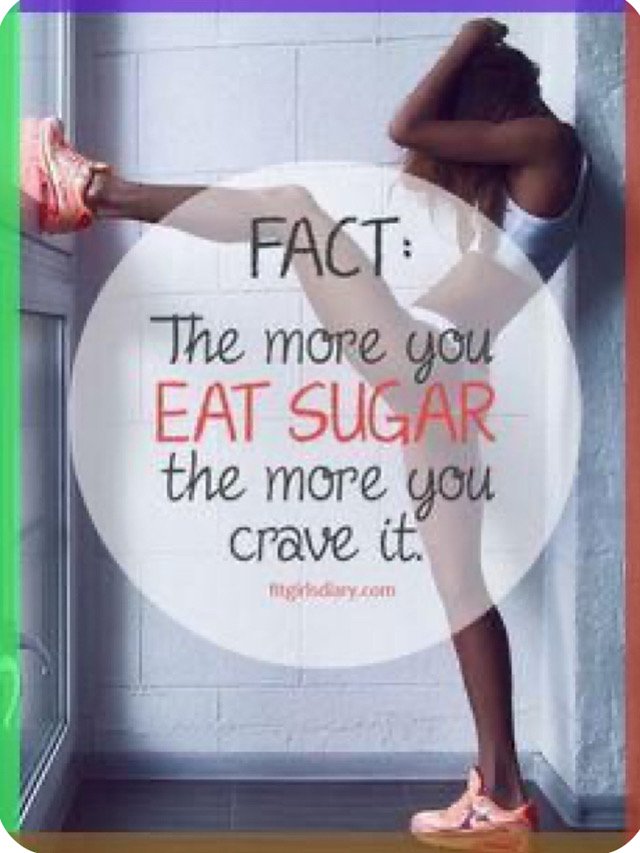
And for that, we have our brains to thank. Sugar: Caught at High sugar intake, as we saw, also trains our brain’s reward centers to make us eat more and more of it—leading to a buildup of fat around the pancreas and subsequently insulin resistance, the central player in every condition we’ve examined that is intimately connected to heart disease: diabetes, obesity, high blood pressure, and metabolic syndrome.
If you need support in giving up sugar, reach out to me. I can help you kick the habit!
With love,
Sheri ❤️